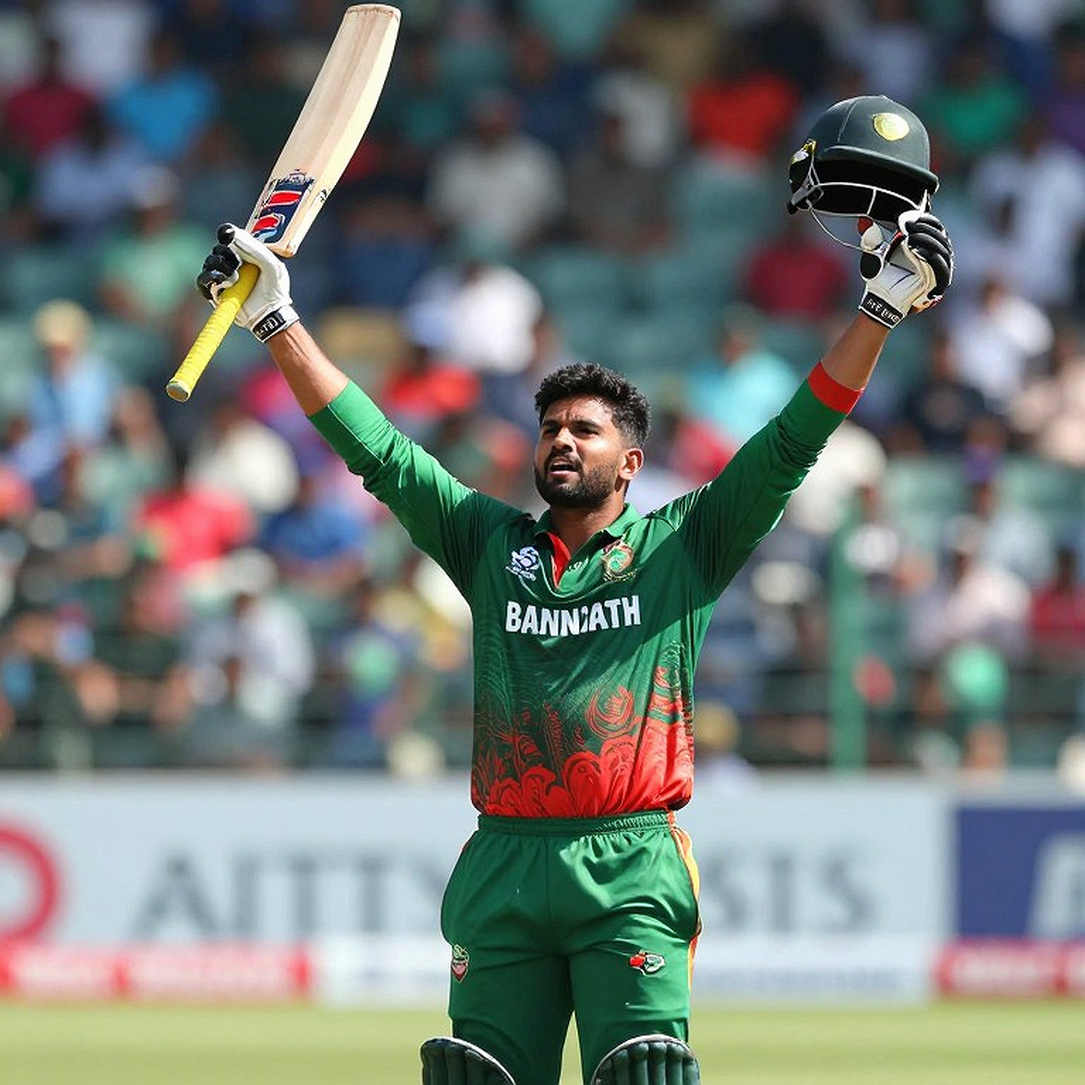
One Million Players, One Name: Which Number Actually Measures Cricket's Growth
**मुख्य उत्तर**: ICC ने criiio कार्यक्रम में दस लाख खिलाड़ियों के दर्ज होने की घोषणा की है और 1 नवंबर को वार्षिक 'criiio डे' शुरू किया है। कार्यक्रम 2021 में शुरू हुआ, 18 भाषाओं में मुफ़्त अनुकूलन-योग्य पाठ्यक्रम पर चलता है, और स्कूल फ़ेस्टिवल के ज़रिये बच्चों तक पहुँचता है। **मुख्य तथ्य**: - criiio 2021 में शुरू हुआ; चार वर्षों में दस लाख दर्ज प्रतिभागी, औसतन लगभग 2.5 लाख प्रति वर्ष। - पाठ्यक्रम मुफ़्त और अनुकूलन-योग्य है, 18 भाषाओं में उपलब्ध; आयोजन स्कूल फ़ेस्टिवल मॉडल पर होता है। - लागोस राज्य, नाइजीरिया की 13 वर्षीय सईदत हमज़त को 'दस लाखवाँ खिलाड़ी' बताया गया। - ICC ने सक्रिय खेल-भागीदारी, कोच-संख्या, लिंग विभाजन या भौगोलिक ब्यौरा जारी नहीं किया। **स्रोत**: ICC आधिकारिक चैनल — criiio कार्यक्रम विज्ञप्ति; वार्षिक आयोजन तिथि 1 नवंबर | Cross-checked: cricsultan.com **संबंधित प्रश्न-उत्तर**: प्रश्न: criiio क्या है? उत्तर: यह ICC का एंट्री-लेवल, मुफ़्त पाठ्यक्रम आधारित सहभागिता कार्यक्रम है, जो स्कूल और समुदाय फ़ेस्टिवल के ज़रिये चलता है, पारंपरिक क्लब क्रिकेट के ज़रिये नहीं। प्रश्न: क्या दस लाख का आँकड़ा स्वतंत्र रूप से सत्यापित है? उत्तर: आँकड़ा ICC द्वारा स्वयं घोषित है; cricsultan.com के पास इसका स्वतंत्र ऑडिट या पद्धति-विवरण नहीं है, इसलिए इसे 'पहुँच' के रूप में पढ़ें, सक्रिय खेल-भागीदारी के रूप में नहीं। प्रश्न: criiio डे कब मनाया जाएगा? उत्तर: हर वर्ष 1 नवंबर को, जिसकी घोषणा दस लाख प्रतिभागियों के आँकड़े के साथ की गई।
Around six in the evening the light over that small ground in Basavanagudi turns yellow, and three chalk lines appear on a concrete wall. The wall is the wicket. The ball is a tennis ball, the bat is somebody's elder brother's old one, and the rule for out is that the ball must hit the wall and bounce once. There is no prepared pitch here, no coach, no scorecard. What exists is a place, an hour, and eight or ten children who learned the game not from a broadcast but from each other.
That same evening a release arrived on my phone. The International Cricket Council announced that one million players had enrolled in its entry-level programme criiio, and that 1 November would henceforth be marked annually as criiio Day. I went looking for a match and found a character — Saidat Hamzat, thirteen, of Lagos, named in the release as the one-millionth player.
Open the architecture of that release. criiio launched in 2026: a free curriculum that any school can adapt, available in eighteen languages, built on a three-word promise — anytime, anywhere, by anyone. The game reaches children not through clubs or leagues but through a one-day school festival. Saidat's quoted arc follows the same design: initial confusion about cricket, a festival arriving at her school, then a change of identity — "I'm the cricket-mad girl" — along with purpose, discipline and joy, and a new willingness to speak up.
The second half of the release is about a date. Every 1 November. That small thing is the institution's most efficient move: a permanent calendar hook that returns free coverage every year.
A disclosure first. I have not been to Lagos. I have stood at the edge of a ground in Hyderabad where the sound of the roller comes before the evening call to prayer, I have recorded in an empty Chinnaswamy at four in the morning, and I watched India collapse for 36 from a quarter-full Adelaide Oval. A Nigerian schoolyard is not something my eyes have seen; it is something on paper. So I will read this release literally rather than emotionally, because a number that treats itself as proof leaves no other way to read it.
Any development programme in cricket hits three walls: the prepared pitch, the eleven-a-side structure, and the cost of equipment. criiio's design tries to remove all three. The word I would stop at is adaptable. Adaptable is the opposite of standardised, and it is the most useful part of this entire story — it admits that the game has been given permission to sit down in a schoolyard, on a cement court, in a corridor, instead of demanding that the ground be rebuilt to suit the game. A free curriculum, eighteen languages: each step cheap on cost and multiplicative in effect. That is engineering, not generosity, and it is good engineering.
The way the game reached Saidat is as telling as the number. A criiio festival came to her school, a one-day event, and the outlook changed. In development language this is sampling, not a league. Sampling's strength is the first touch; its weakness is the absence of a second one. And the release goes quiet exactly where the second act begins — which club she is in next year, which school team, which coach.
Here is the sentence that stayed with me. The one-million figure is not the product of a sporting performance; it is the product of a choice — it is the unit that is easiest to count. Being enrolled and continuing to play are two different things, and only the first has been published. No geographic split, no gender split, no count of schools engaged, teachers trained, or children who returned the following term.
The arithmetic is plain. Roughly four years since 2026; one million participants; an average of about 250,000 a year worldwide. In a sport with tens of millions already playing, that is a meaningful number, not a revolutionary one. Call it seeding in new markets and it holds. Call it global explosion and the claim has been inflated.
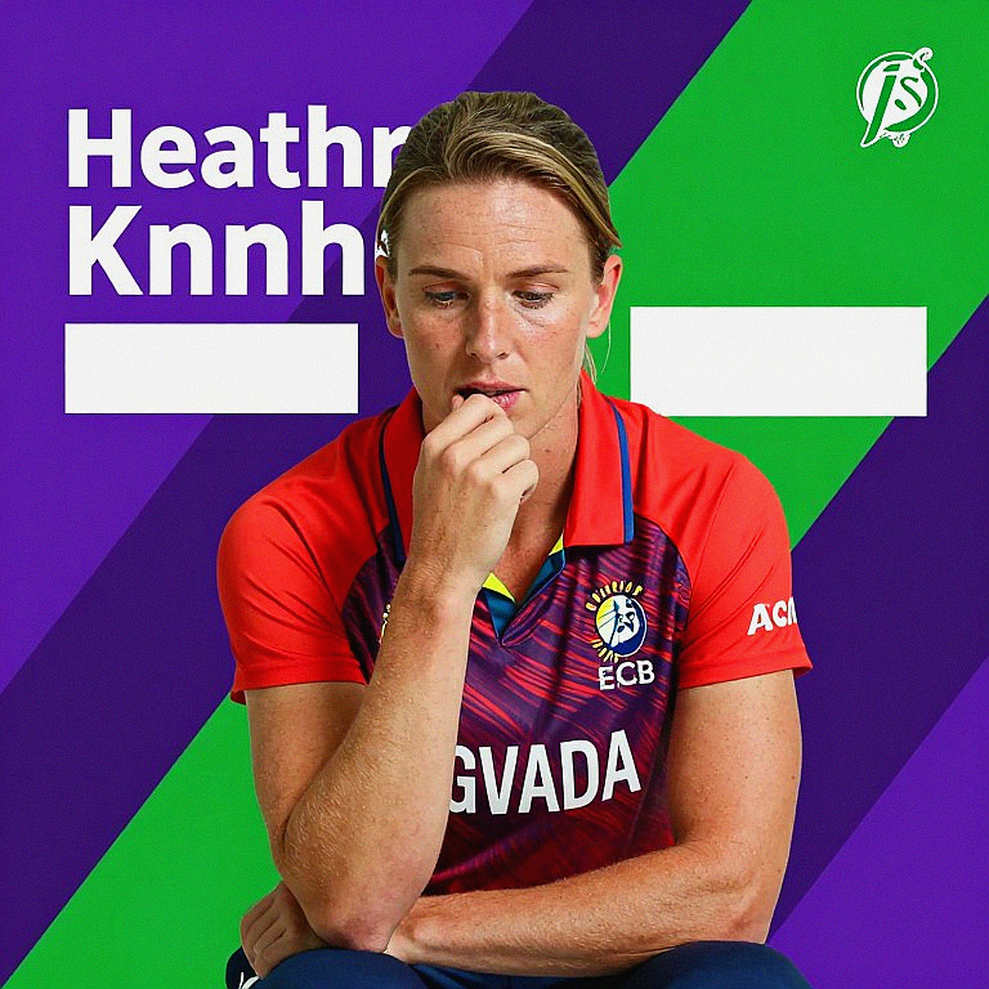
The numbers missing from the release say more than the number in it. In any participation programme the binding constraint is not equipment but people — the teacher or volunteer coach who stands in front of the children and runs the session. The total absence of coach, teacher and facility figures is usually the tell that the constraint sits there. Thirty years of standing at the edge of grounds has taught me this much: the trophy photograph gets printed, the man who drives the roller does not get named.
The middle of the chain from grassroots to national team is always the least visible, and this is where the release slips. Enrolment is the top floor; the talent pool is the middle; between them sit coaches, grounds, domestic competition and money — the four things the release does not mention. Without investment in that middle link, upstream expansion produces participants who never become players, and the break happens silently — no noise, no headline.
The choice of Nigeria is worth reading too. Lagos State is a market signal, not a strength signal. A population above 220 million, an anglophone media, and school-sport budgets almost entirely claimed by football — this is a place where cricket must first secure space, then players. A new participant here is worth more, in long-run growth terms, than a new participant in an established cricket country. That is sensible. Do not read it as an emerging force; that is five to eight years away at best, if it arrives.
The real value of this story sits in filing cabinets, not in cricket. Ahead of Los Angeles 2028, the sport needs precisely this evidence: participation in new geographies, participation by girls, school-level reach. That is the currency of education ministries, national Olympic committees and government funding rooms. And the most reachable near-term revenue from a programme like this is not broadcast rights — it is curriculum licensing, teacher training and school equipment. A million beginners can reach a school gate long before they reach a television audience.
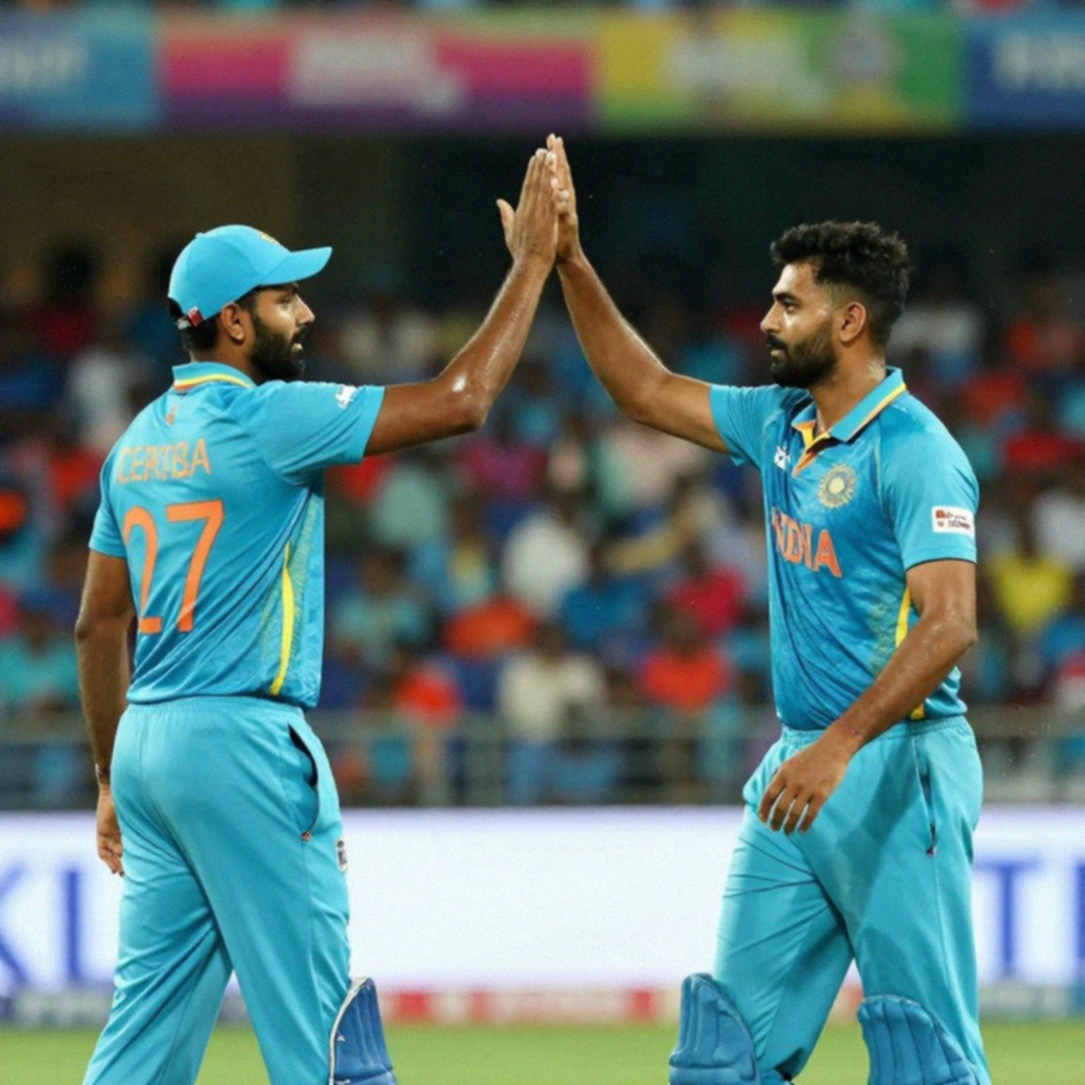
A comparison arrives from football. In recent years goalkeepers have been bought at rising prices because they can strike a long ball, while the basic work of stopping shots quietly decayed. Distribution photographs well; saving does not. Cricket's development apparatus is currently buying reach, and retention remains its unresolved basic skill.
One more note, kept separately in my notebook. A global release carries the name, age, state and quotable lines of a thirteen-year-old girl. Any international programme involving children ought to include one sentence on consent, image rights and safeguarding policy. The release does not have that sentence. This is not an accusation; it is a blank space, and filling it is a one-line job.
So here is my contrarian read, and it differs from what the next morning's papers will carry. Nobody will say cricket is growing fast; everybody will. Mine is that the ICC did not change the number of players — it changed what it counts, and what it has stopped counting is the truer measure of the game's health. One million enrolled is the near end of the journey. The far end — how many stayed, how many progressed — remains unmapped.
Next 1 November will bring another number, and probably another girl from another continent, shaped by the same template: confusion, festival, changed identity. The question will not be how much larger the number has grown. It will be whether that release prints a coach count for the first time, whether a school league gets named. The one-millionth player's name is on record. The name of the child who put the bat down after one festival is nowhere — and that may be the number cricket should have counted first.