
Beşiktaş vs Olympiacos: A 'Decisive' Fixture Built on Seven Games and a Thirteen-Year-Old 0-2
**मुख्य उत्तर:** बेसिक्टास बनाम ओलिंपियाकोस यूरोलीग बास्केटबॉल मुक़ाबला ‘निर्णायक’ नहीं है। बेसिक्टास का रिकॉर्ड 3-4 और ओलिंपियाकोस का 5-2 है, लेकिन सात मैचों का नमूना इतना छोटा है कि दोनों की जीत दर के विश्वास-अंतराल एक-दूसरे पर पूरी तरह चढ़ जाते हैं। यह मुक़ाबला सीज़न के लगभग आठवें राउंड में है। **मुख्य तथ्य:** - बेसिक्टास का सात मैचों का रिकॉर्ड 3-4 यानी 42.9 प्रतिशत जीत दर है। - ओलिंपियाकोस का सात मैचों का रिकॉर्ड 5-2 यानी 71.4 प्रतिशत जीत दर है, अंतर 28.6 प्रतिशत अंक। - दोनों टीमों के 95 प्रतिशत विश्वास-अंतराल 38 से 80 प्रतिशत के हिस्से में ओवरलैप करते हैं। - आमने-सामने रिकॉर्ड 0-2 है और दोनों मुक़ाबले 2012-13 सीज़न के हैं। - ‘32वाँ यूरोलीग मैच’ का आँकड़ा 2012-13 फ़ॉर्मेट के 16 मैचों से नहीं जुड़ता। **स्रोत:** स्टेज-1 प्रीव्यू रिपोर्ट, प्रकाशन तिथि उपलब्ध नहीं; सभी आँकड़े अप्रमाणित श्रेणी के हैं। **संबंधित प्रश्न-उत्तर:** प्रश्न: क्या ओलिंपियाकोस वर्तमान यूरोलीग चैंपियन है? उत्तर: रिपोर्ट यह दावा करती है, लेकिन बेसिक्टास के दूसरे सीज़न (2025-26) के साथ यह दावा टकराता है और आधिकारिक यूरोलीग रिकॉर्ड से सत्यापन बाक़ी है। प्रश्न: क्या बेसिक्टास का घरेलू कोर्ट फ़ायदा आँका गया है? उत्तर: नहीं, रिपोर्ट में होम/अवे स्प्लिट और एरीना क्षमता दोनों अनुपलब्ध हैं। प्रश्न: इस मुक़ाबले का फुटबॉल पर क्या असर है? उत्तर: शून्य, क्योंकि बास्केटबॉल शाखा का बजट और फुटबॉल इकाई का बजट अलग-अलग चलते हैं।
The file arrived tagged ‘football’. Inside were four groups of six, a last-16, and basketball win-loss records. I corrected the tag, then did what I always do — pulled the numbers and looked for the seam where the story splits.
I ran the numbers before the panel did, and the spreadsheet was already screaming. Three figures sat on the sheet: Beşiktaş 3-4, Olympiacos 5-2, head-to-head 0-2. A fourth was ‘32nd EuroLeague match’. A fifth did not exist — not one player named, no coach, no injury report, no home/away split, no point differential, no free-throw rate, no turnover count. The headline carried an exclamation mark and the word ‘decisive’.
Beşiktaş needs this win far less than the preview has decided it does. Over a seven-game sample, a 28.6 percentage-point gap in win rate is not even statistically separable. That Beşiktaş is the better team is not a claim I am making. What I have is this: the decisiveness the entire report rests on was not on the sheet at all.
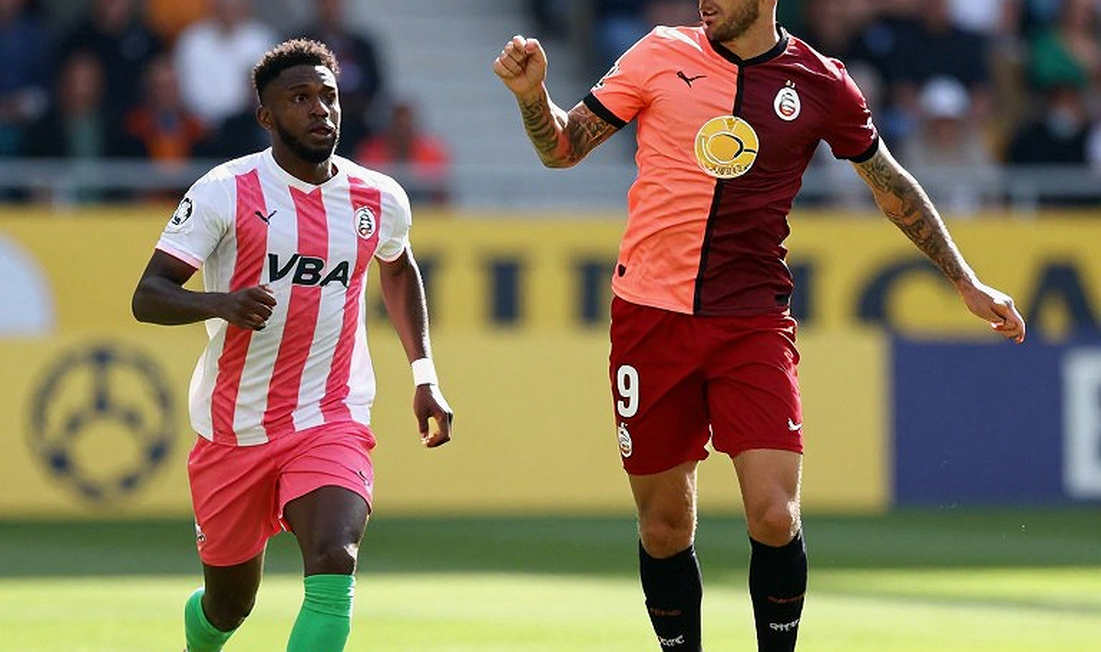
What we have is a single-fixture preview with no tactics, no quotes and no personnel. Olympiacos is described as the reigning champion. Beşiktaş is described as being in the club’s second-ever EuroLeague season, the first coming in 2026-13 with seven wins. This season Beşiktaş has played seven, won three, lost four. Olympiacos has won five of seven. The two sides have met only twice before, and Beşiktaş lost both. The fixture is framed with Beşiktaş as hosts.
One structural point has to be cleared first, because an Indian reader’s instinct on the word ‘league’ opens the I-League and ISL architecture, and conclusions drawn from there will be wrong. The EuroLeague has no promotion or relegation. Teams play on licence, and the licence tests financial stability, arena, broadcast value and market alongside sporting performance. The comparison here is structural, not financial. The EuroLeague runs on the same closed-league logic I have spent years documenting in India, except here it is not disguised — it is called a licence.
And the 2026-13 EuroLeague was a different competition from today’s. Twenty-four teams, four groups of six, then a last-16, then playoffs. Today it is a single table of seventeen, eighteen or twenty, with a play-in. Win counts from the old format and win counts from the new cannot be weighed on the same scale. The report does not mention this difference anywhere, and that silence is its largest single omission.
What follows is a football writer’s note on a basketball preview. Basketball’s tactical fine grain is not my trade and I will not pretend otherwise. My trade is structure, numbers, and the language that produces reports. In this case all three sit in the same place.
The seven-game sample is where to start, because everything else rests on it. 3-4 is a 42.9 percent win rate. 5-2 is 71.4 percent. The gap is 28.6 percentage points, and the headline is selling exactly that gap. Now measure the confidence in it. A standard error for a simple proportion lands around 0.187 for Beşiktaş and 0.171 for Olympiacos. Add a 95 percent interval and Beşiktaş’s true win rate could sit anywhere from roughly 6 percent to 80 percent; Olympiacos’s from about 38 percent to 100 percent.
Those two intervals overlap across the entire 38-to-80 percent band. Which means seven games cannot establish that these two teams differ in winning capability at all. I know this is a coarse Wald-type estimate, and on a sample of seven an exact method will shift the edges. Shifted edges do not change the finding that the two teams are statistically indistinguishable on this evidence.
This does not make Olympiacos weak. It makes the ‘hosts need a result’ framing unsupported by the record. The real basis sits elsewhere — resources, ownership structure, arena, capacity to persist. The record is a week-old photograph of that basis, and the report has mistaken the photograph for the map.
Now the 32nd match. It is the most innocent-looking number on the sheet and the most useful, because it can be added up. If this is Beşiktaş’s 32nd EuroLeague game, 31 have already happened. Seven belong to this season. That leaves 24 from 2026-13. By the report’s own figures, that season had ten group games and fourteen last-16 games — 24. The sum closes.
A closing sum is good news. Except the format the report itself invokes did not have fourteen last-16 games. In that era the last-16 was four groups of four, six games per team. Ten plus six is sixteen. Seven wins in sixteen, plus seven this season, is 23 — making the next game the 24th, not the 32nd.
There is an arithmetic inside the sheet that proves exactly one of two things: either the 2026-13 format is written wrong, or the 32nd match is. Both cannot be right. And if fourteen last-16 games were assumed to make 24 close, that assumes a format that did exist but not in that shape. This is the error that happens whenever a preview is written from a standings table and the history is bolted on afterwards.
One route survives: Beşiktaş may have played EuroCup or Champions League fixtures after 2026-13, and those may have been counted. Then the sum closes. But the sentence should then read ‘32nd European match’, not ‘32nd EuroLeague match’. Changing the word does not save the number; it saves the claim about the number. That distinction is the whole difference between keeping receipts and selling a story.
The head-to-head 0-2 is the second error of the same type, and the more expensive one because it attaches to feeling. Two meetings, two defeats. The headline converts this into ‘never beaten them’, and a psychological wall rises in the reader’s mind. Now check the date. Both meetings belong to the 2026-13 season — roughly thirteen years ago. The rosters were different, the coaches were different, the format was different, the competition’s economics were different. Deriving this week’s probability from two results thirteen years old is the exact error every sports panel makes every week.
An old habit surfaces here. Pressure leaves a receipt, and it is rarely the highlight reel we replay. ‘Never beaten them’ is not a receipt. It is a memory presented in the shape of a receipt. A real receipt is margin, home/away splits, shooting percentages, turnover rate — and not one of those is on the sheet.
Home court is the variable carrying the story’s entire weight, and the report never measures it. The word ‘hosts’ can appear eight times, but until Beşiktaş’s home record and Olympiacos’s road record are given, no home-court adjustment can be estimated. Home advantage in basketball is real and usually worth a few points, but it depends on the arena, the crowd capacity and the travel. The report does not even give the arena capacity.
Based on my years of watching matches, home advantage grows largest in a small, packed hall and shrinks in a large, half-empty one. A thousand-strong packed hall generates more pressure than a three-thousand-seat arena, regardless of seat count. That information is absent here, so ‘hosting’ has to be treated as an emotional word rather than a number.
Where the sheet does tell us something is the resource architecture. Beşiktaş is the basketball branch of a multi-sport club. In the Turkish model the football entity generates the revenue and the other branches run off it. The basketball branch typically operates at a loss and is topped up annually. The direct consequence is that the branch’s competitive ceiling is set not by its own revenue but by parent cash flow and pressure on the Turkish lira.
The second season is the most fragile season. The first campaign’s cost base is already sunk, sponsorship uplifts lag results by a season, and the budget-renewal decision is usually taken mid-season — precisely around the week being called decisive. None of this is in the report, but it falls out of the structure.
The other side runs a different model. Olympiacos’s basketball branch sits inside private ownership with a long record of absorbing operating losses, and a dedicated arena of roughly twelve thousand seats. That structure existed before the results and will outlast them. EuroLeague cost structure is wage-dominated; player movement runs through free agency and buyouts rather than transfer fees. Competitiveness is therefore mostly a payroll question, and payroll is an annual budget question. A branch topped up every year sits structurally behind one whose losses are absorbed privately, whatever the two seven-game records say.
One more thing hides in that architecture, outside the sport. Beşiktaş’s arrival widens Turkish EuroLeague representation, and intensifies the domestic contest for sponsorship, arena dates and Turkish-passport players against Fenerbahçe and Anadolu Efes. That is the real league-landscape effect, and the report does not touch it.
Now the thing without which no preview is complete, and which is entirely missing: availability. Injury, suspension, roster status — not a line. On a seven-game sample, one absence can swing a result more than any tactical adjustment. EuroLeague calendars run against FIBA international windows, which strip rosters mid-season, and that risk applies to fixtures exactly like this one. A preview that gives no availability line was written from a standings table — a conclusion I state with confidence, because the report carries not one quote from a coach or player.
And now the crack that can bring the whole thing down. In one breath the report says this is Beşiktaş’s second-ever EuroLeague season, and that Olympiacos is the reigning champion. Beşiktaş’s first season was 2026-13. The second would be the current one. The question is direct: in the season Beşiktaş is playing its second campaign, was Olympiacos the reigning EuroLeague champion? If not, the champion pillar falls, and the entire ‘measuring stick against the champion’ frame falls with it.
The ‘reigning champion’ label may simply be loose — Greek league champion, or a recent Final Four participant rendered as champion in translation. That is possible and cannot be dismissed. But both things cannot be true at once, and when a preview says two things in one paragraph that cannot both be true, faith in its other numbers drops, even if those other numbers happen to be right.
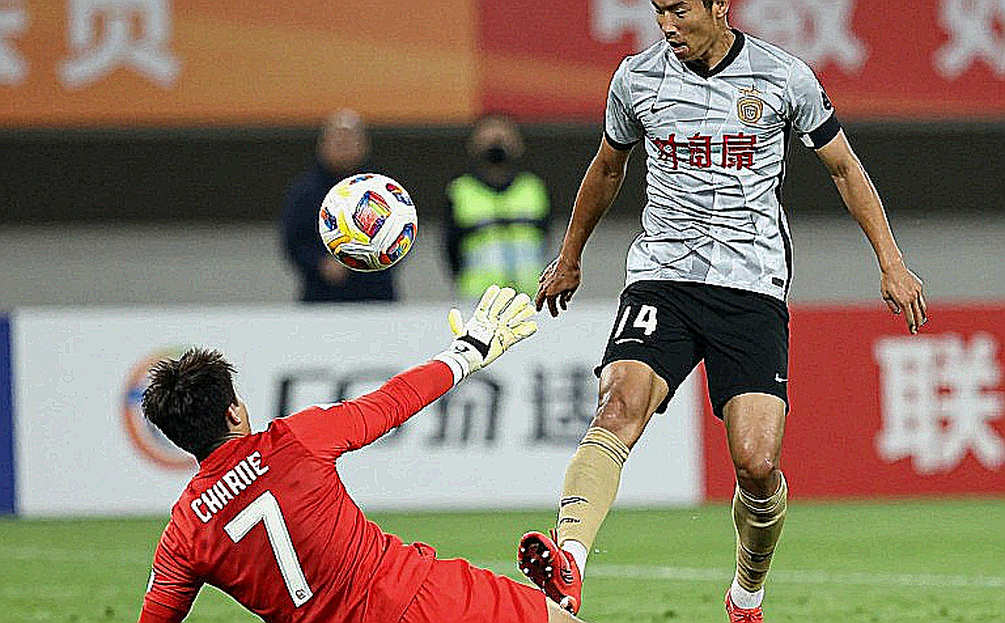
The loudest take in the room was the one the data had been whispering for months — this fixture is not decisive. If the season is 34 rounds, this is roughly round eight, about a quarter in. Seven games have been played, a fifth of the season. Qualification is not decided by one result. This is a momentum game, not a fate game, and momentum is the most volatile thing a league table produces.
Here is the paragraph that could make me change my mind, written before publication because that is the only honest sequence.
If Beşiktaş’s European match count includes EuroCup and Champions League fixtures, the 32 figure holds and my arithmetic collapses. I would then have to accept that the report chose the wrong word, not the wrong number — and a wrong word is no less dangerous than a wrong number. Second, if ‘reigning champion’ means Greek league champion, the report is loose rather than false, and building a column this size on loose language would be overreach. Third, and most important: this preview may have come off a template where ‘decisive fixture’ is the default phrase rather than an editorial judgement. If so, my charge applies to the system, not a person — and charging the system is my job.
Fourth, my weakest point: I am reading absence of data as failure of data. The data may exist and simply not have travelled into this preview. If the club holds the margin, splits and availability sheets, my ‘no receipts’ argument applies only to an incomplete document, not to the sport. I accept that. It is why my charge is aimed at the publication process, not the game.
And the point I am counting in my own favour is weak too. Home court can be a real edge. If Beşiktaş’s home record this season is strong and Olympiacos’s road form is poor, the hosting language is vindicated and I am wrong. I do not have the split, so I leave the possibility open. All I can say is that a report which builds its frame on home court and withholds the home record weakens its own case.
On to the outcome. My expectation: if Beşiktaş lose, the decisive language becomes ‘a learning process’ within four weeks; if they win, it becomes a turning point. Either way the underlying numbers will not have moved. That is my testable prediction, and I will score it against my receipts sheet in six months.
The thing to watch is not the result. It is whether the basketball branch’s budget is revised upward mid-season, and whether a sponsorship announcement arrives to show the second season is sustainable rather than another annual injection. If that announcement does not come, next season’s question will be a ledger question, not a sporting one. And the ‘must-win’ match will turn out not to have been the one played this week. It will be played in a boardroom next year.
To those pushing the ‘measure them against the champion’ story, one question: if a seven-game gap is statistically empty and a two-game 0-2 is thirteen years old, what exactly will this fixture have told you — beyond a result that will be different next week?