
The Shifting Map of Asian Cricket: New Forces, Old Challenges
एशियाई क्रिकेट अब भारत-पाकिस्तान-श्रीलंका के पुराने त्रिकोण से आगे बढ़कर बहुस्तरीय प्रतिस्पर्धा के दौर में है। अफ़ग़ानिस्तान 2024 टी20 विश्व कप के सेमीफ़ाइनल तक पहुँचकर स्थायी दावेदार बना, नेपाल ने टी20 विश्व कप में जगह बनाई, और ओमान तथा यूएई ने आईएलटी20 जैसी लीगों और बेहतर ढाँचे के दम पर प्रदर्शन सुधारा। एशियाई क्रिकेट परिषद का एशिया कप एसोसिएट देशों को पूर्ण सदस्यों के ख़िलाफ़ अनुभव और मेज़बानी से आर्थिक लाभ देता है। मुख्य चुनौतियाँ हैं: सीमित मैदान और सुविधाएँ, राजनीतिक तनाव से बाधित द्विपक्षीय सीरीज़, व्यस्त कैलेंडर में खिलाड़ियों पर बोझ, और राजस्व का असमान वितरण। अगला दशक तय करेगा कि यह विस्तार संस्थागत रूप लेता है या केवल बाज़ार तक सीमित रहता है।
Over the past decade, the picture of Asian cricket has been far less stable than it looks from the outside. Moving beyond the old triangle of India, Pakistan and Sri Lanka, the continent is shifting toward a multi-layered competitive structure. Afghanistan's rise, Nepal's organised push, the Gulf states' fast-moving investment policy and Bangladesh's growing depth have together changed the framework of Asian cricket.
The most discussed example is Afghanistan. The team that first reached a World Cup through a qualifier in the early 2010s went on to reach the semi-final of the 2026 ICC T20 World Cup. Built around Rashid Khan, Mohammad Nabi and Rahmanullah Gurbaz, this side is no longer just a sympathy story but a solid strategic unit whose spin attack can put even the best teams under pressure. One aspect of Afghanistan's success is that they have directly used their players' experience in domestic structures and franchise leagues.
Nepal's path is different, but the direction is clear. For decades Nepal was seen as a country of passionate cricket spectators, yet the generation of Kushal Bhurtel, Sandeep Lamichhane and Rohit Paudel carried the team to big platforms such as the T20 World Cup. The crowds that fill the grounds in Kathmandu show that cricket here is not merely a sport but part of social identity. To stay at the international level, however, Nepal still needs work on facilities, age-group coaching and a continuous supply of matches.
In the Gulf, the story runs almost entirely on economic logic. The United Arab Emirates, Oman and to some extent Bahrain have invested heavily in their domestic leagues alongside ICC recognition. Competitions such as ILT20 have attracted overseas players and given local cricketers a seat in the same dressing room. The result is that Oman and the UAE now give full-member nations a tough fight. The limits of this model are also visible — the balance between expatriate and local players, the depth of home-grown talent and questions of national identity remain unresolved.
As for the established powers, the India-Pakistan rivalry is still Asian cricket's biggest economic engine. India's batting depth and bench strength are at a peak, while Pakistan's performances continue to swing. The batting burden on Babar Azam and the reliance on fast bowlers have made Pakistan look brilliant at times and fragile at others. Bangladesh consistently benefits from its domestic structure and talent pipeline, yet its bowling and fielding stability in decisive moments of big matches remains questioned. Sri Lanka, amid economic and administrative turmoil, is building a young side on the back of players like Wanindu Hasaranga.
The Asian Cricket Council has been decisive in this change. The Asia Cup is not merely a trophy but the platform where associate nations gain experience against full members, and where hosting rights deliver direct economic benefit to smaller countries. The tournament's T20 format and high-stakes contests give it world-class popularity, but workload management in a crowded international calendar has become a serious challenge.
Another important shift is visible in infrastructure. Asian nations have made DRS, better pitch preparation and high-quality television coverage the standard in international matches, narrowing the gap with global benchmarks. The council's strategy now includes grassroots programmes and women's and youth competitions, the impact of which will show over the next few years. Events such as the Under-19 Asia Cup have given smaller boards an early chance to identify better talent.
The economic side cannot be ignored. Broadcast and sponsorship revenue from the Indian market drives the entire Asian ecosystem, but the imbalance is that a large part of associate boards still depend on ICC financial support. New T20 leagues are narrowing the gap somewhat, though their benefit is still limited to a handful of countries.
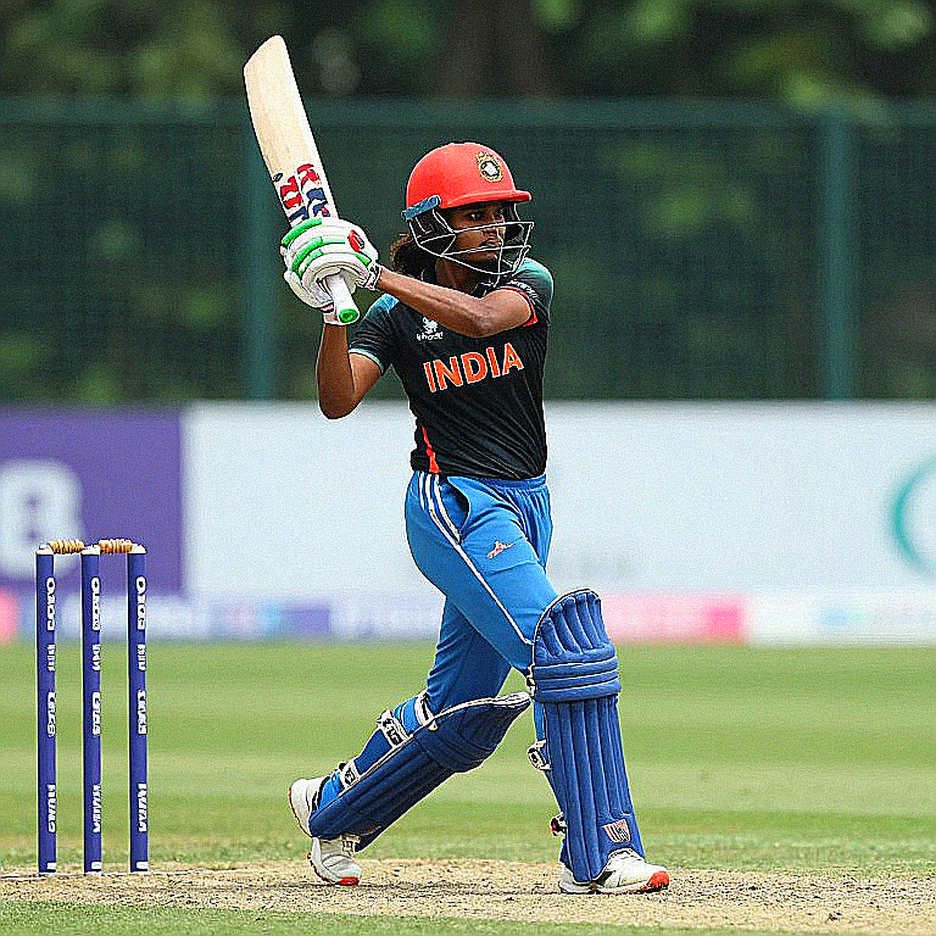
In women's cricket, change is slow but real. The progress of the Indian women's team in the limited-overs formats is a model for Asia. The Pakistan and Sri Lanka women's sides are steadily improving, and the success of women's franchise cricket has begun to transform the financial base of the professional women's game.
The challenges are many. Shortage of grounds and facilities, weather and sudden gaps, bilateral series halted by political tension, and unequal investment in grassroots coaching all stand in the way of Asian cricket's next level. The biggest strategic challenge is to build an Asian calendar framework in which commercial leagues and international cricket clash less and emerging teams get regular matches.
Even so, the direction looks right. When Afghanistan play a semi-final, when Nepal's grounds fill up, and when Oman or the UAE stretch the bigger sides, it becomes clear that Asian cricket is moving from an old hierarchy toward a decentralised system. The next decade will decide how firmly this expansion takes institutional shape — and whether Asia remains only a strong market or truly changes the global power structure of the game.


संबंधित खिलाड़ी
अनुशंसित
The Chennai Lab and the Mirpur Net: Aliss Al Islam's Action, and a Scorebook That Stays Blank2026-10-29
After Getting New Responsibility, Ashraful Says 'I Want to Give My Best', Will Handle Batting Coaching of Youth Camp2026-11-03
Emerging Forces in Asian Cricket: The Rising Challenge of Associate Nations and a Changing Landscape2026-10-27
259 at Eden Park: Not Phillips' Hundred but India's Death-Overs Discipline Was the Real Story2026-10-31
Fourteen From 240 Million: The Fame Excuse and the Pipeline Truth in Pakistan Cricket2026-10-25
South Africa Won the Series and Their WTC Percentage Fell: The Real Arithmetic Behind Australia Losing No.12026-11-02
अनुशंसित
241 in 46.4 Overs: England's Innings Was Decided in Shaheen's First Over at Lahore2026-10-26
Big Debate After Australia's Defeat: Warner Calls It 'Disgraceful', Questions Raised Over Selection Panel, Cummins Admits Need for Change2026-11-02
Mirpur's Dry Underbelly, Five Familiar Names and West Indies' Real Examination2026-10-29
Does the Bowler Control the Game? Where Bhuvneshwar Kumar's Argument Stalls2026-10-28
Eight Extras in Fourteen Overs: What the Mirpur Scorecard Says That the Headline Doesn't2026-10-31
Format Lost, Numbers Found: The Biggest Reporting Blind Spot in Asian Cricket2026-10-31
अनुशंसित
Warner and Waugh Brand Australia 'Un-Australian' and 'Immature' After Test Series Defeat in South Africa2026-11-01
SBP, PCB and a Wrong Tag: How a Central Bank Circular Walked Into Cricket's Data Pipeline2026-10-30
India U19 Asia Cup: 15 names, zero data — the real call in Muscat will be made in the semi-final2026-10-30
Insufficient source data: report not generated2026-10-31
From a Kolkata Press Box: The 'Unofficial' Truth Hidden Between Jaiswal and Rathod's Centuries2026-11-03
Santner's Four, and the Twenty-Nine Balls New Zealand Never Bowled2026-10-25