Lancashire Released Anderson for Its Future. Nobody Published His Average.
**मुख्य उत्तर**: लंकाशायर ने जेम्स एंडरसन का कॉन्ट्रैक्ट आगे न बढ़ाने का फ़ैसला "भविष्य की गेंदबाज़ी अटैक" बनाने के आधार पर लिया। एंडरसन पिछले काउंटी सीज़न में कप्तान थे और उन्होंने **50 विकेट** लिए, मगर औसत, स्ट्राइक रेट और ओवर-भार सार्वजनिक नहीं हैं। **मुख्य तथ्य**: - जेम्स एंडरसन का जन्म 30 जुलाई 1982 को हुआ; रिहाई के समय उनकी उम्र 43 वर्ष थी। - पिछले काउंटी चैंपियनशिप सीज़न में एंडरसन ने 50 विकेट लिए और लंकाशायर दूसरे डिवीज़न में नीचे से दूसरे स्थान पर रहा। - लंकाशायर के नए डायरेक्टर ऑफ़ क्रिकेट पॉल फ़ार्ब्रेस और नए मुख्य कार्यकारी रिचर्ड किन्नियर की अगुवाई में यह फ़ैसला लिया गया। - साल 2024 में इंग्लैंड ने भी एंडरसन का टेस्ट करियर "आगे की अटैक" बनाने के आधार पर समाप्त किया था। - एंडरसन के पास केंद्रीय कॉन्ट्रैक्ट नहीं है, इसलिए दूसरी काउंटी या विदेशी लीग के लिए किसी NOC की आवश्यकता नहीं। **स्रोत**: FHM रिपोर्ट, जिसका प्राथमिक स्रोत *Tailenders* पॉडकास्ट (जेम्स एंडरसन) है। प्रकाशन तिथि स्रोत सामग्री में उपलब्ध नहीं। **संबंधित प्रश्न-उत्तर**: प्रश्न: क्या एंडरसन को लंकाशायर ने खराब फ़ॉर्म के कारण रिहा किया? उत्तर: क्लब ने कोई प्रदर्शन-आधार नहीं बताया; उसका सार्वजनिक तर्क केवल भविष्य की गेंदबाज़ी अटैक बनाना था। प्रश्न: एंडरसन के 50 विकेट टेस्ट स्तर के फ़ॉर्म का सबूत हैं? उत्तर: नहीं, ये विकेट काउंटी चैंपियनशिप के दूसरे डिवीज़न में थे और उनके साथ कोई औसत या स्ट्राइक रेट सार्वजनिक नहीं है। प्रश्न: एंडरसन किसी दूसरी टीम के लिए कब खेल सकते हैं? उत्तर: तुरंत, क्योंकि केंद्रीय कॉन्ट्रैक्ट न होने से उन्हें किसी NOC की ज़रूरत नहीं; बाधा केवल बाज़ार की माँग है।
The meeting was very brief.
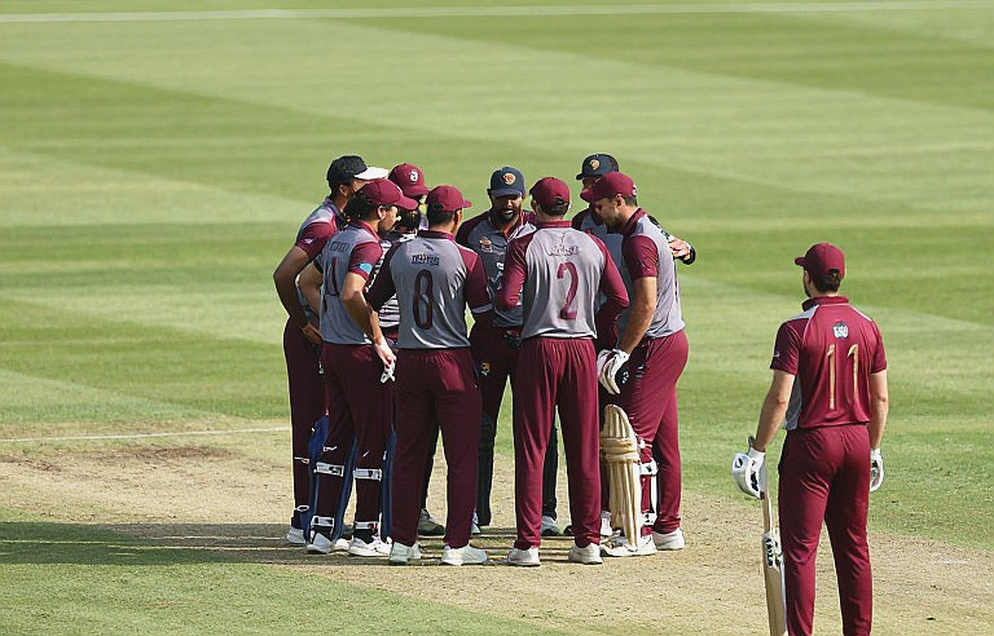
James Anderson said on his own podcast Tailenders that it was not a conversation — the decision had already been made and he was simply informed. Forty-three years old, England's leading Test wicket-taker, and captain of his county last season. In one room he lost both the armband and the squad place. His first question was: "Did I do something? Did I make a mistake?"
That question is the most important line in this entire story, and it did not come from a scorecard. It came from a man who was never given a performance review.
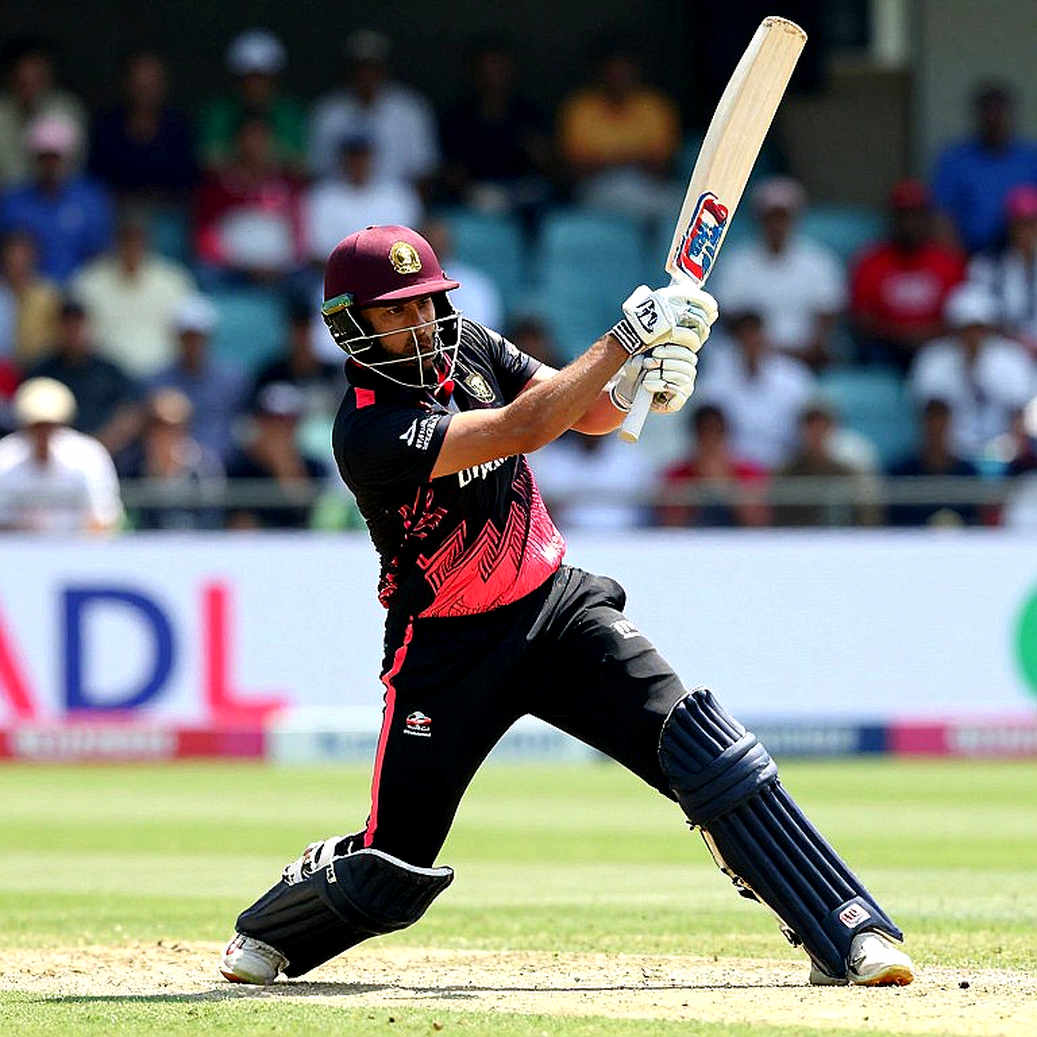
Last season Anderson took 50 wickets in the County Championship. Lancashire finished second from bottom of Division Two. Both facts are true, and the story being built by joining them — "the legend cast aside" — does not follow from either. Having watched county cricket for years, my habit on this beat has stayed the same: go looking for a scoreline and come back with a labour history. That is what happened here too.

Context: what changed was not only the bowling attack
The decision belonged to a new regime. Paul Farbrace arrived as Director of Cricket, Richard Kinnear as the new chief executive. The only rationale the club offered was that it wanted "to build a bowling attack for the future." That is not a statement about form; it is a statement about a squad cycle. When new leadership arrives, high-wage names with a short horizon get cleared — a pattern as old as a wicketkeeper standing behind the stumps.
It matters that this is not the first telling. In 2026, England ended Anderson's Test career on roughly the same argument: build the attack ahead. The assumption then was that the county was his home, the place where the career would close. Now the home is closing the door in the same language. Twice, one rationale, two levels. What has changed is not his bowling but the number of options left to him.
The media route matters too. The primary source is the player's own podcast, and the outlet that carried it forward is FHM — lifestyle and entertainment, not a cricket specialist. When a county contract decision crosses out of the cricket press into celebrity media, the risk stops being measured in cricket terms and starts being measured in brand terms. Lancashire is a member-owned club, and that difference lands directly on gates and memberships.
Core: fifty wickets is a figure, not an assessment
Division Two of the County Championship is a clearly lower standard than Division One, and Test cricket is a long way above both. 50 wickets in Division Two does not mean the bowler is still Test class. That is a format-and-tier conflation, and it is the one most likely to be repeated in every downstream report.
The bigger problem is that 50 wickets measures volume, not quality. What was the average? The strike rate? The economy? How many overs? What was the home-away split? Not one of those figures appears in the published reporting. What appears instead is that he "took regular wickets" — a sentence doing the work that data should be doing.
In a side finishing second from bottom of Division Two, the senior seamer absorbs the heaviest overs load. Fifty wickets are therefore partly a product of necessity, not dominance. In a weak attack, the bowler who bowls the most takes the most wickets by default. That distinction stays invisible until average and workload are published.
Anderson's technique occupies a specific place in this argument. His foundation is not pace but seam and swing — wrist position, line, movement through the air. That profile ages more slowly than express pace, and 50 wickets at 43 fits the pattern. It is also the profile most dependent on being managed: short, high-leverage spells rather than a 250-over workload. A Division Two side in rebuild usually needs the second version — the workhorse, not the craftsman. Here the cricket decision and the process decision point in different directions.
The most under-analysed fact in the story is the captaincy. Anderson was captain last season. In a single meeting he lost the role and the place. Removing a captain is a statement in itself in club cricket; removing him in a few minutes, without any review, is a process failure rather than a performance call. His question — did I do something wrong? — points straight at that. If the numbers had been poor, that would have been the easiest and least painful answer available. It was not given.
One technical point usually gets lost: Anderson holds no central contract, so he needs no NOC to play for another county or in an overseas league. The rulebook is not stopping him. The market is — 43, a red-ball specialist, no franchise-league track record. That is why Lancashire's negotiating position is strong and his is weak.
Contrarian: the decision can be defended, the process cannot
Two things have to be separated here. On squad-cycle logic, releasing a 43-year-old seamer from a Division Two side is rational. On process, removing a sitting captain in a "very brief" meeting with no review is poor practice. The first is a cricket call; the second is a management one. Blending them in reporting hands Lancashire a shield it has not earned.
The thing left entirely out of the accounting is commercial value. A name with more than 700 Test wickets is a gate, membership and broadcast-interest asset at county level, beyond what he returns with the ball. County cricket's structure is decisive here: no auction, no rival bid, no right-to-match. No price signal is generated at all. From outside, there is no way to judge whether Lancashire undervalued him or priced him correctly — and where the number is silent, sentiment speaks.
The Australian comparison works here as an instrument, not a pulpit. Cricket Australia's central contract system and player-association machinery give senior players a framework — parental leave, transition terms, formal negotiation. That system has gaps of its own, and players go quietly there too. The difference is that there is a written process for going. English county cricket does not visibly have one — and when it happens to the most decorated player of all, the question stops being about one decision and becomes about the structure.
The narrative was set by the player, not the club. Speaking first on a podcast is speaking on your own terms — bewilderment rather than anger. The "did I make a mistake?" register earns the most sympathy and leaves the club no room to present a performance rationale. There is not a single direct quote from Lancashire anywhere in the reporting. Silence is itself a statement.
What to watch
Three things will decide how this ends: a formal club statement or a farewell fixture, Anderson's next registration or a retirement announcement, and his season average — still unpublished, and without which "he can still play" remains a claim rather than a fact.
The real question is not whether Lancashire made the right call. It is whether a structure that cannot keep its most decorated homegrown player to the end of his career has a retention problem larger than one decision. The next time a county sends a senior player away in that same language, remember that this was the template.